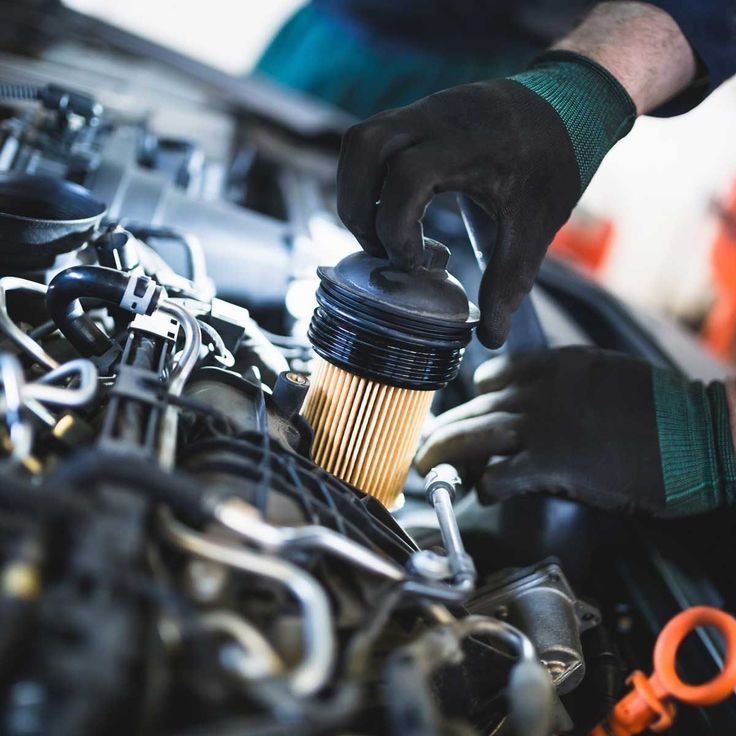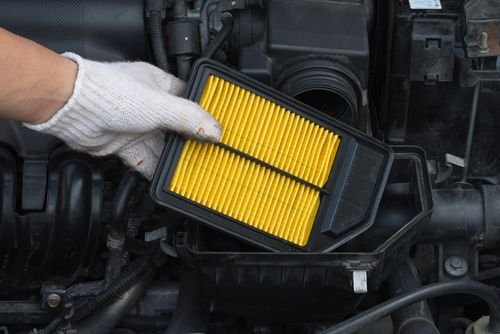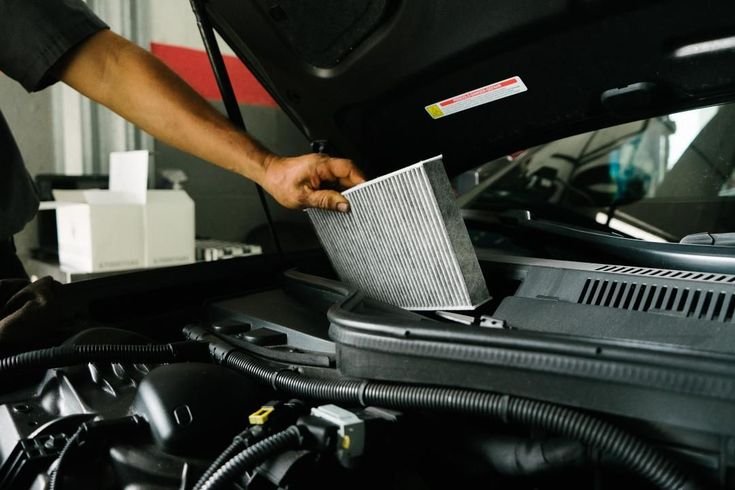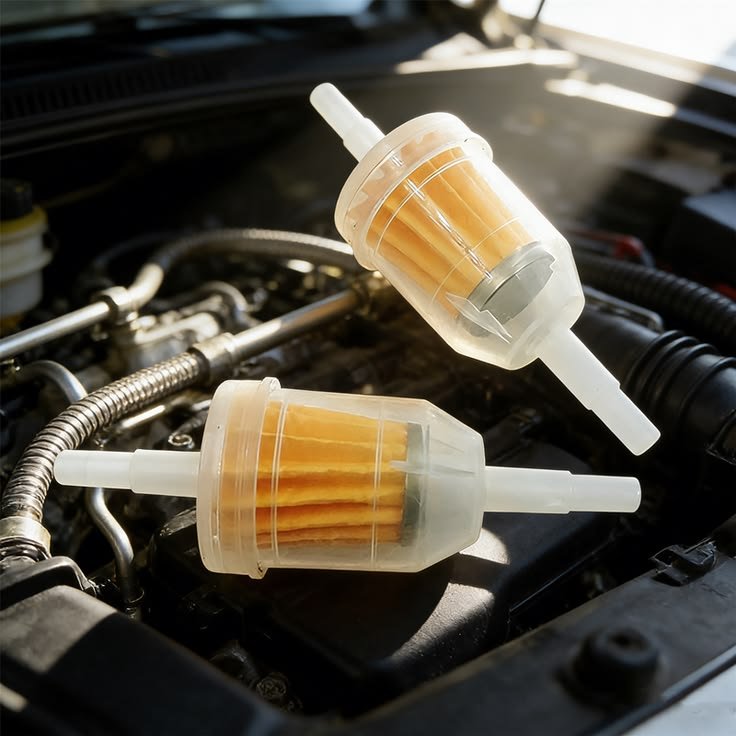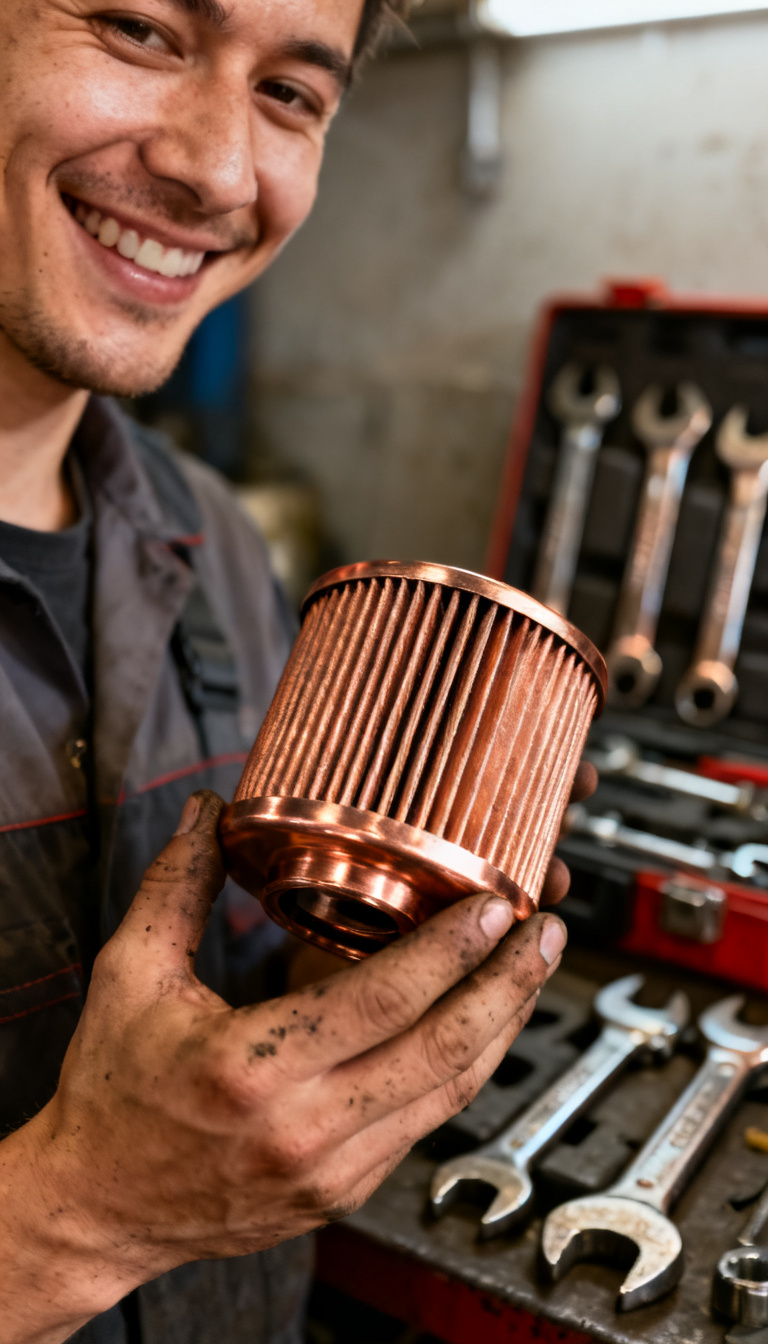
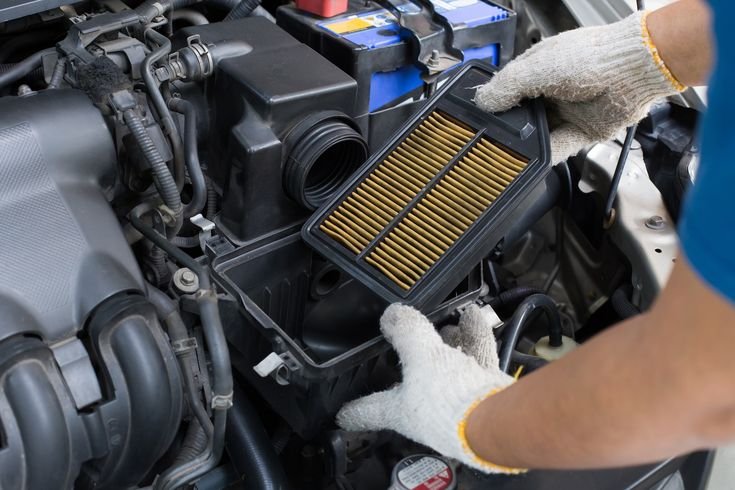
Across every GVW bracket, service manuals group media the same six ways: cabin filters cleanse the air supplied to the occupant compartment; oil filters cleanse engine lubricant; fuel filters cleanse petrol or diesel between tank and injector side; air filters cleanse combustion intake air ahead of cylinders; diesel and vocational applications often introduce water-separating filters to strip aqueous contamination from hydrocarbon circuits; coolant systems may expose a coolant filter to curb fines and long-life coolant by-products circulating through jackets and coolers. Filtro supplies each taxonomy line with disciplined OE-style numbering, traceability, and interchangeable references.
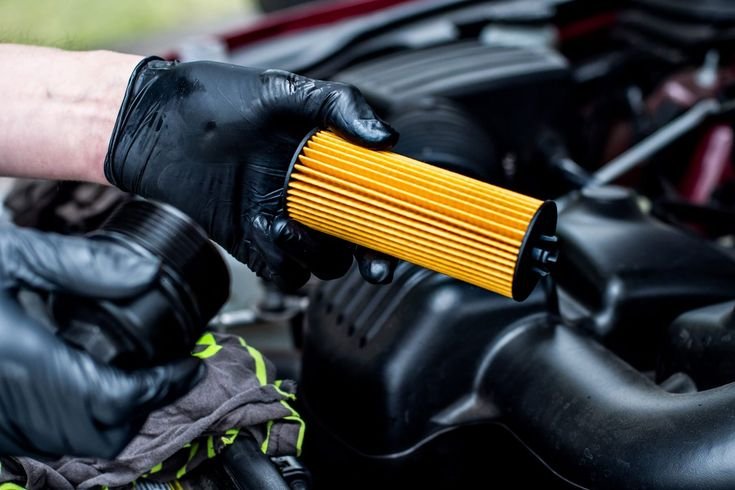
Traceable batches, carton-level QC identifiers, and interchange data that spans cabin, oil, fuel, air, water‑separation and coolant filter families alike—whether you outfit passenger workshops or interstate haulage fleets.
Industry practice classifies filters by what they protect — never by body style alone. Air-filtration elements sit upstream of the combustion path; compromise there and MAF trims, turbo compressor wheels, and cylinder walls all suffer. Oil filters sustain bearing clearances by holding wear metals and soot out of the sump circuit. Fuel filters guard injectors and pumps from varnish, water, and particulate delivered with every tank fill. Cabin (HVAC) filters keep pollen, dust, and odour compounds out of the occupant airflow stream. Water-separating filters split emulsified or free water from hydrocarbon circuits so high-pressure pumps and atomisers avoid cavitation-corrosion cascades endemic to diesel fleets. Coolant filters curb circulating fines released from jackets, coolers, or chemical stabilisers degrading alongside long-life OAT blends. Filtro treats those lines as parallel portfolios: each gets its own PN logic, validation discipline, and shelf semantics, from the smallest hatchback to vocational trucks running the same functional map at higher flow.
Each catalogue card denotes one filtration family spanning the mixed traffic of dealerships, fleets, or export workshops: cockpit-side climate hygiene, sump lubricant conditioning, hydrocarbon purification, combustion inlet protection, aqueous intrusion control on hydrocarbon loops, and coolant-circuit housekeeping where OE architectures specify cartridges.
Anthony Cole Director of Maintenance, Meridian Logistics PLC
“Unified PN governance across mixed OEM badges cut our rogue purchases by a double‑digit percentage. Filtro’s batch PDFs bolt straight into our ISO audit trail—ΔP slips included. That granularity is rare in the aftermarket.”
Vincent Dahl Owner‑operator, Scandinavian import specialist
“Sensitive MAF trims stopped oscillating once we ceased using ambiguous cross‑fills. Seat‑of‑pants butt dyno corroborates what their bench already told us: laminar frontal area matters on these late EU6 cars.”
Open the dedicated contact portal — richer layout & the same attentive team.
Contact & correspondence
Whether your note is commercial, informational, or about working with our team—we welcome professional correspondence through this channel. Every enquiry is read with attention; we strive to acknowledge messages promptly during business hours and to answer in clear, considerate language tailored to what you asked—never impersonal fillers.
Direct line
For written correspondence—you may duplicate your message here if you prefer email.